
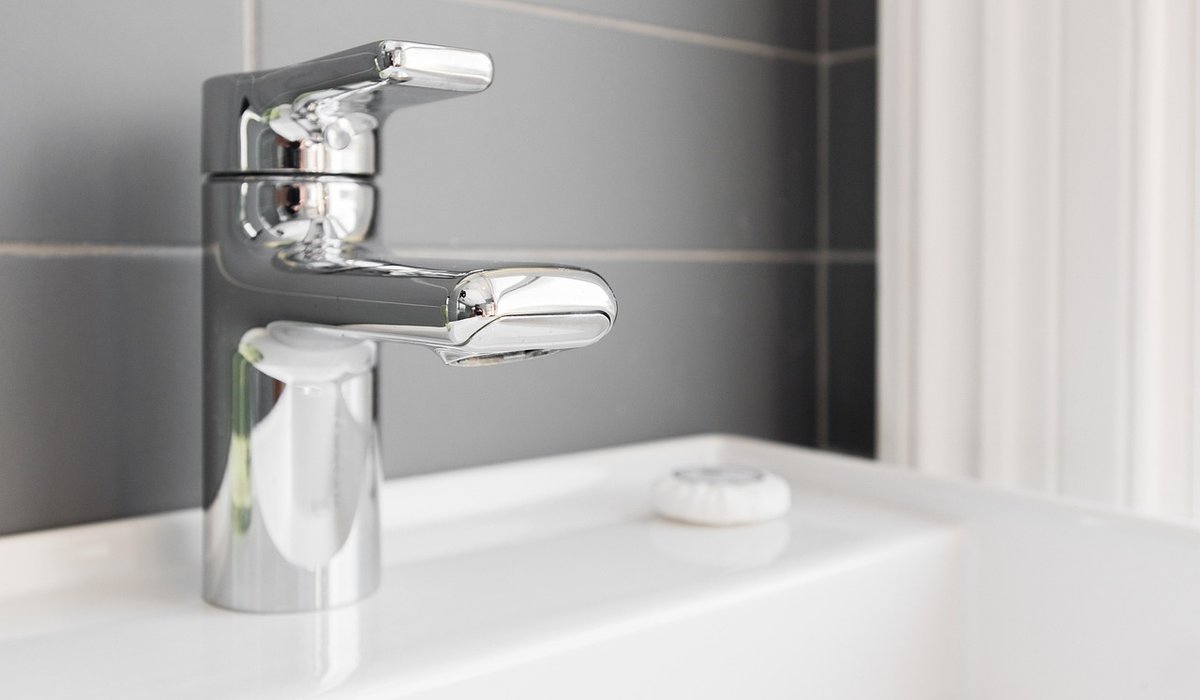
Creating a Gentle Scrub with Bicarbonate of Soda
Why Bicarbonate of Soda Belongs in Every Cleaning Caddy
Bicarbonate of soda is one of the quiet heroes of a gentle cleaning routine. It is a soft, fine powder with just enough grit to lift dried-on food and tea stains, yet it is mild enough for most everyday surfaces in a British kitchen or bathroom. Unlike many shop-bought scrubs, it contains no chlorine, no perfume and no harsh solvents, so it does not leave a lingering chemical smell or sting your hands. A tub costs very little and lasts for months. Keep it dry, keep it sealed, and it will quietly solve a surprising number of household problems.
It works because it is mildly alkaline, which helps break down grease and neutralise acidic stains, and because its particles are softer than the enamel, ceramic and stainless steel you are cleaning. That balance is exactly what makes it so useful.
The Basic Recipe: Three Simple Mixes
The trick is to match the consistency to the job. There is no need for anything complicated.
- Thick paste (3 parts bicarbonate of soda to 1 part water): for stubborn spots, burnt-on rings on the hob, and the inside of stained mugs. It should look like toothpaste.
- Soft cream (4 tablespoons bicarbonate of soda, 2 tablespoons water, a few drops of mild washing-up liquid): ideal for everyday sink cleaning and wiping down worktops.
- Dry sprinkle: simply shake the powder straight from the tub onto a damp cloth or sponge, then scrub. Perfect for a quick refresh when you cannot be bothered mixing anything.
Mix small amounts as you go. A paste left standing dries into a hard crust that is fiddly to spread, and a fresh mix takes seconds.
How to Clean Sinks, Hobs and Stained Mugs
For a stainless steel or ceramic sink, sprinkle a generous layer of bicarbonate of soda around the bowl, add a few drops of washing-up liquid and a splash of warm water, then scrub in circles with a non-scratch sponge. Pay attention to the plughole area and the base of the taps, where limescale and soap scum gather. Rinse thoroughly with warm water and dry with a soft cloth to avoid water marks.
For a ceramic or induction hob, wait until the surface is cool, then apply a thick paste over the stained rings. Leave it for five to ten minutes so the alkali can soften the burnt residue, then rub gently with a damp cloth. For tougher marks, use a plastic scraper or an old loyalty card at a shallow angle. Avoid circular scrubbing on brushed surfaces; follow the grain instead.
For stained mugs, damp the inside, add a teaspoon of bicarbonate of soda and rub with your fingers or a cloth. Tea and coffee tannins lift quickly. For heavy staining, fill the mug with warm water, add two tablespoons of bicarbonate of soda, leave for twenty minutes, then wash as normal. This is far gentler than bleaching a favourite mug, and there is no aftertaste to worry about.
To finish, rinse everything well. Any residue left behind can look like a white film once dry.
Adjusting the Strength and Knowing What to Avoid
You can nudge the mix stronger or gentler depending on the surface.
- Add a little more washing-up liquid for greasy cooker hoods and splashbacks.
- Add a few drops of lemon juice for a fresh scent and extra stain-lifting power on mugs and chopping boards.
- Use plain bicarb and water, with no soap, on anything you will later prepare food on.
A few cautions are worth remembering. Bicarbonate of soda can dull aluminium and darken it over time, so keep it away from aluminium pans and trims. Avoid it on natural stone such as marble, granite and limestone, where it can etch the surface. Do not mix it with bleach, and do not bother combining it with vinegar in the same bowl; the two simply neutralise each other. If you love the fizzing reaction, pour vinegar over a bicarb-coated drain instead, where the agitation actually does something useful. Always test a small, hidden patch on an unfamiliar surface first.
Store Your Supplies So You Actually Use Them
A gentle cleaning routine only sticks if the tools are within reach. Decant bicarbonate of soda into a small jar with a wide lid and keep a teaspoon inside it, so you are not wrestling with a paper packet when the hob needs attention. Build a simple caddy with a jar of bicarb, mild washing-up liquid, a spray bottle of diluted white vinegar, two microfibre cloths in different colours and a non-scratch sponge. Keep cloths for food surfaces separate from those used on floors and bins. When you buy a new tub, write the date on the base so you know how long it has been open.
Small Habits That Keep the Kitchen Calmer
Wipe spills while they are still warm, when a single pass of a damp cloth is enough. Rinse and dry sinks after washing up rather than leaving them to air dry. Give mugs a quick rub with bicarb once a week and they will never build up that brown haze. Ten minutes of tidying at the end of the day, with everything back in its place, makes the whole room feel lighter. Bicarbonate of soda will not do the work for you, but it makes the work gentler, cheaper and far more pleasant.
tag: Natural Products

James Whitfield Author
Tackle windows, curtains, skirting boards, and forgotten corners with a room-by-room checklist that makes seasonal cleaning manageable and thorough.
YOU MAY ALSO LIKE
Spring Cleaning Checklist for a Fresher Home
Jun 29
10Check draughts, clean gutters, and store summer items properly to protect your home from cold, wet weather ahead.
read more
Preparing Your Home for Autumn and Winter
Jun 27
10Focus on fridge hygiene, outdoor furniture, and floor care during warmer months, keeping your home fresh despite open windows and extra guests.
read moreCleaning Tips
-

ERRIC CATONA
Learn a gentle method using bicarbonate of soda and water to lift baked-on grease, leaving your oven clean and free from strong fumes.
May 19, 2016 at 5.12 pm
Reply
ERRIC CATONA
Discover practical dusting techniques for shelves, skirting boards, and light fittings using microfibre cloths and a simple top-to-bottom routine.
May 19, 2016 at 5.12 pm
Reply -
ERRIC CATONA
Act quickly with blotting and a mild cleaning solution to lift red wine from carpet fibres without spreading the stain further.
May 19, 2016 at 5.12 pm
Reply
Eco Living
Your email address will not be published.