
Switching to Eco-Friendly Cleaning Products at Home
Why Bother Swapping?
Most conventional cleaning products are remarkably good at their job. The trouble is what else they leave behind: lingering solvent fumes, synthetic musks, and plastic packaging that outlives the shine on your worktop by several centuries. If you clean in a small kitchen or bathroom with the window shut, you are breathing in whatever is in the bottle. That matters more than most of us think, particularly in homes with asthma, eczema, or small children crawling about at floor level.
The good news is that you do not need to choose between a genuinely clean home and a gentler one. Plant-based cleaners and refill systems have come a long way. The trick is knowing which jobs need a bit of muscle and which just need hot water, a decent cloth, and a little patience.
What "Plant-Based" Really Means on a Label
Plant-based usually refers to the surfactants — the molecules that lift grease and dirt off a surface so water can carry it away. Instead of being derived from petrochemicals, they come from things like coconut, corn, or sugar beet. Look for the phrase readily biodegradable, which is a regulated claim rather than a marketing flourish.
It also helps to know what to sidestep:
- Chlorine bleach and ammonia — effective, but harsh on airways and easy to mix dangerously with other products.
- Quaternary ammonium compounds — often listed as "benzalkonium chloride" and common in anti-bacterial sprays.
- Optical brighteners — they do not clean anything; they just make fabric look whiter under light.
- "Parfum" or "fragrance" as a catch-all — a single word can hide dozens of undisclosed compounds.
A short, readable ingredient list is usually a better sign than a long list of reassuring words on the front of the bottle.
The Kitchen: Grease, Germs and Grime
Kitchens are where eco-cleaning either proves itself or falls flat, because grease is unforgiving. For everyday worktops, a spray bottle of one part white vinegar to three parts water, with a few drops of washing-up liquid, cuts through light mess quickly. Leave it for a minute rather than scrubbing straight away.
For hobs, extractor filters, and the inside of the oven, a paste of bicarbonate of soda and a little water does the heavy lifting. Spread it on, leave it twenty minutes, then wipe with a damp cloth. For really baked-on trays, soak them in hot water with a scoop of washing soda crystals overnight.
Sinks and plugholes respond well to bicarbonate of soda followed by a glug of vinegar, then a kettle of hot water. It fizzes, it shifts the sludge, and it costs pennies.
One honest caveat: vinegar is brilliant on limescale and light grease, but it is not a certified disinfectant. After handling raw meat, use hot soapy water on the board and surface first, then a plant-based anti-bacterial spray if you want extra reassurance.
The Bathroom: Limescale and the Loo
Hard water areas will recognise the chalky tide line around the bath. Citric acid is your friend here — cheaper and gentler than most descalers. Dissolve a couple of tablespoons in warm water, spray it on taps, shower screens, and tiles, and leave it ten minutes before wiping. For showerheads, unscrew them and soak them in the same solution in a bowl.
For the toilet, sprinkle bicarbonate of soda around the bowl, add a cup of vinegar, leave it half an hour, then scrub and flush. A pumice-style stone handles stubborn rim marks without scratching the glaze.
Grout responds to a bicarbonate paste and an old toothbrush. It is fiddly work, but it is also the sort of job best done with a podcast on rather than a lungful of bleach fumes.
Living Spaces, Floors and Fabric
Most floors need less than we give them. A well-wrung microfibre mop with warm water and a capful of plant-based floor cleaner handles sealed wood, tile, and laminate. Microfibre itself does a lot of the work — it lifts and traps dust rather than pushing it about, which means you can often use plain water.
For carpets and upholstery, sprinkle bicarbonate of soda, leave it an hour, then vacuum thoroughly. It lifts stale odours without coating the fibres in perfume. Airing bedding and cushions regularly does more for freshness than any spray.
Glass and mirrors: one part vinegar to one part water in a spray bottle, buffed with a dry cloth. Avoid cleaning glass in direct sunlight, or you will be chasing streaks all afternoon.
Setting Up a Refill and Storage System
The organisational side is what makes the switch stick. A few simple habits carry the whole thing:
- Keep a core kit of bicarbonate of soda, washing soda crystals, citric acid, white vinegar, and a concentrated plant-based washing-up liquid.
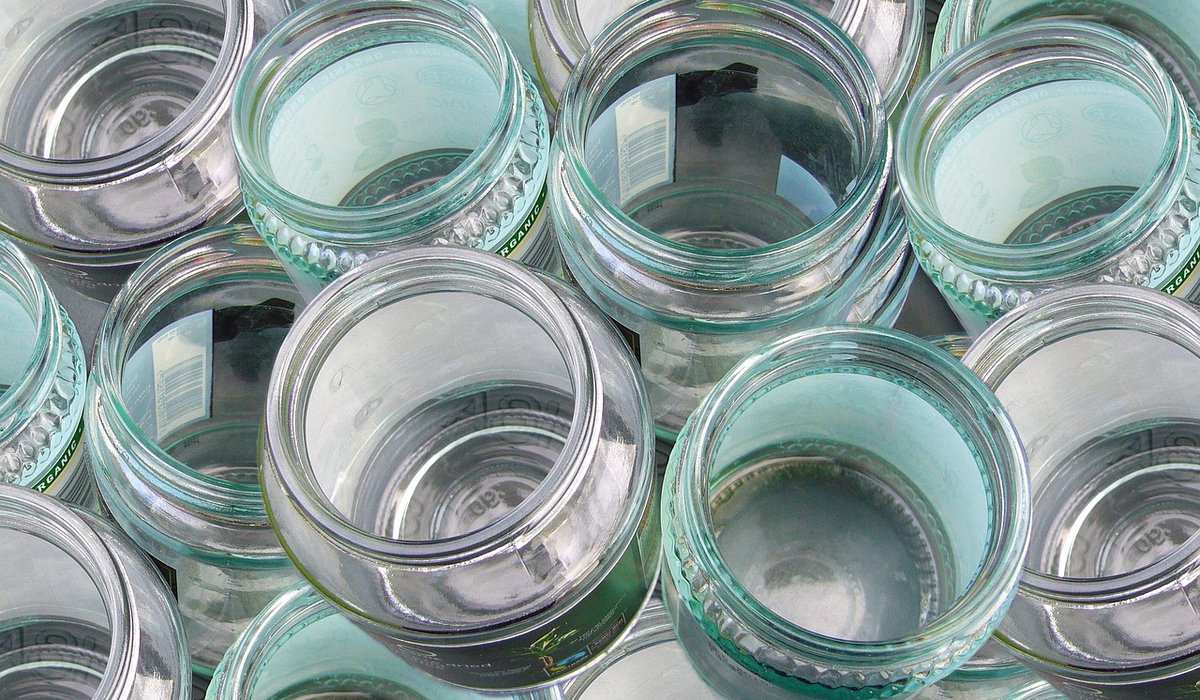
- Decant into labelled glass or sturdy plastic bottles — one for glass, one for all-purpose, one for the bathroom. Write the dilution on the label so nobody has to guess.
- Buy concentrates and refill at a local refill shop or via a concentrate-and-tap system, which cuts plastic dramatically compared with ready-diluted sprays.
- Store cloths by task — colour-coded microfibres for kitchen, bathroom, and floors stops cross-contamination and saves endless laundering.
- Keep a small caddy under the sink with the essentials, so you are not hunting through cupboards mid-clean.
Start with one room. Swap the spray you use most often, get comfortable with it, and let the rest follow. Eco-friendly cleaning is not about doing without — it is about using fewer, better things, and knowing exactly what is in them.
tag: Eco Living

Oliver Radcliffe Author
Swap single-use bottles and wipes for concentrated refills, reusable cloths, and sturdy tools that cut plastic waste without sacrificing cleanliness.
YOU MAY ALSO LIKE
Reducing Plastic Waste in Your Cleaning Routine
Sep 6
10Infuse white vinegar with citrus peel to create a fresh all-purpose spray, following safe ratios and storage advice for everyday household use.
read more
Making Your Own Citrus Vinegar Cleaner Safely
Sep 2
10Use stackable caddies, shelf risers, and labels to keep sprays, cloths, and gloves tidy and easy to reach in a cramped cupboard.
read moreCleaning Tips
-

ERRIC CATONA
Work through each space with a simple keep, donate, or recycle system, reducing clutter and making cleaning routines far quicker.
May 19, 2016 at 5.12 pm
Reply
ERRIC CATONA
Maximise narrow utility spaces with wall hooks, slim shelving, and labelled baskets that hold detergents, brushes, and drying essentials neatly.
May 19, 2016 at 5.12 pm
Reply -
ERRIC CATONA
Use cool water, a gentle detergent, and flat drying to protect wool fibres, keeping your favourite jumpers soft and correctly shaped.
May 19, 2016 at 5.12 pm
Reply
Eco Living
Your email address will not be published.