
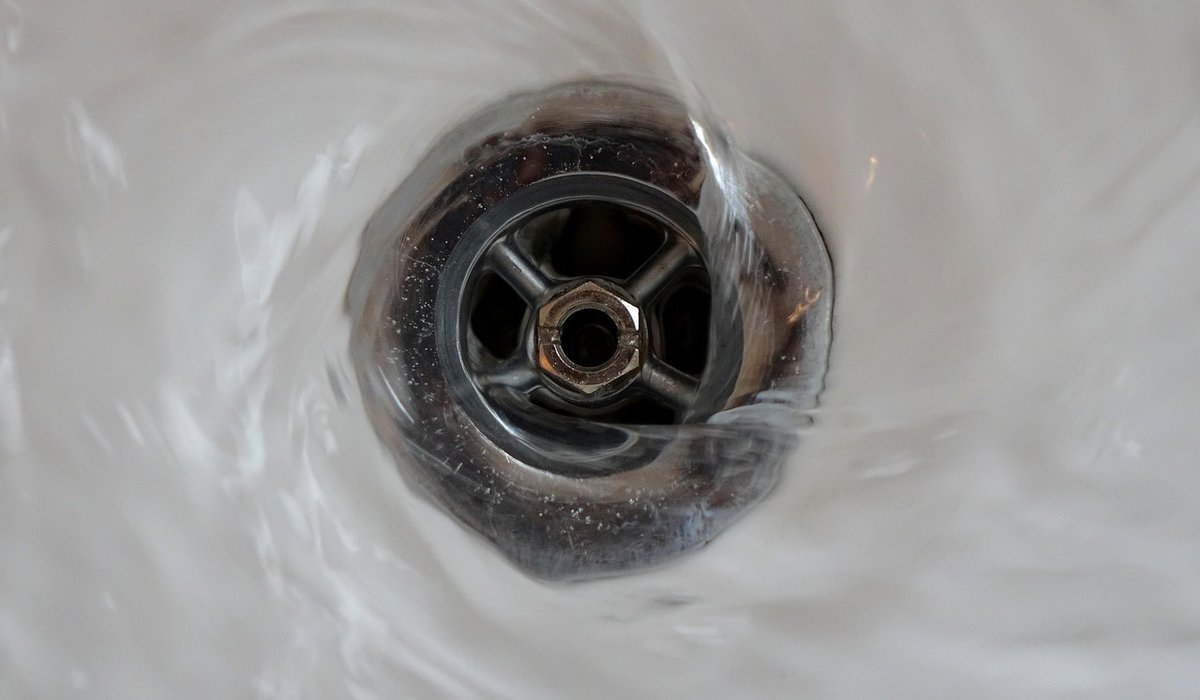
Preparing Your Home for Autumn and Winter
An Autumn Reset Pays for Itself All Winter
There is a particular afternoon in early autumn when the light shifts and you suddenly notice the little jobs you have been ignoring since June. The door that never quite meets its frame. The gutter you can't remember clearing. The garden cushions still stacked by the back step. This is the moment to act — not because it is onerous, but because everything you do now is easier, cheaper and far more pleasant than doing it in a January downpour.
Preparing a home for cold, wet weather isn't about sealing it up like a Tupperware box. It's about keeping warmth in, moisture out and clutter under control, using gentle products that won't leave harsh residues in your rooms or river systems. Here's how to work through it, room by room and corner by corner.
Start With a Deep Clean Using Everyday Eco Basics
Before you organise anything, clear the grime that has built up over summer. Windows full of dust and pollen cut daylight and make rooms feel gloomy by November, so give glass a proper wash with a solution of one part white vinegar to four parts warm water, buffed with a reusable cloth. Skip the blue sprays entirely — vinegar shifts smears beautifully and costs pennies.
A simple eco cleaning kit will carry you through the whole house:
- Bicarbonate of soda for scouring sinks, baths and the inside of the oven, mixed into a paste with a little water.
- Citric acid for limescale on taps, kettles and shower heads — dissolve a spoonful in warm water and leave overnight.
- Castile soap or a plain plant-based liquid soap for floors, skirting boards and painted woodwork.
- Microfibre cloths and old cotton rags you can launder and reuse instead of buying rolls of disposable wipes.
- Steam from a mop or handheld steamer to refresh mattresses and upholstery without chemicals.
Work top to bottom, room by room, and open windows wide while you go — autumn air is dry and crisp, and it will do more for freshness than any aerosol.
Chase Down the Draughts Before the Cold Sets In
Draughts are the quiet thief of every heating bill. On a breezy day, hold a lit incense stick or a damp hand near the edges of external doors, window frames, loft hatches, letterboxes and pipework entering walls. Where the flame flickers or your skin feels a chill, you have found a gap.
Most fixes are inexpensive and satisfyingly tidy:
- Brush or wiper strips along the bottom of doors, and letterbox brushes to stop the gale blowing straight through.
- Silicone or acrylic sealant for cracks around frames — a tube and a smoothing tool is an hour's work.
- Fabric draught excluders you can sew from old denim, towels or blankets, filled with rice or offcuts.
- Thermal or lined curtains, hung close to the wall and drawn at dusk, which also reduce condensation on cold glass.
- A chimney balloon or draught stopper for open fireplaces you aren't using, remembering to remove it before lighting a fire.
Keep Damp and Mould at Bay
As the temperature drops, warm indoor air meets cold surfaces and condenses — which is why black spotting appears on window reveals and in the corners behind wardrobes. The answer isn't to shut everything up, but to manage moisture deliberately.
Dry laundry outdoors whenever you can, or use a vented tumble dryer or a well-placed dehumidifier. Keep trickle vents open and air the house for ten minutes each morning, even when it's chilly. Leave a small gap between furniture and external walls so air can circulate, and wipe down window sills and shower tiles weekly with a diluted vinegar spray to stop mould establishing. If you spot a patch, treat it with bicarbonate of soda paste rather than a chlorine bleach, then dry the area thoroughly — mould returns wherever damp lingers.
Clear Gutters, Drains and Outdoor Traps
Water is the real enemy of a British winter, and it does its worst work unnoticed. Clear leaves and moss from gutters and downpipes before the autumn fall finishes — a ladder, gloves and a bucket, or a gutter scoop on a pole if you'd rather stay grounded. Check that water butts are covered and their taps aren't dripping, and that drain gullies and soakaways are free of debris.
Outside, stack firewood off the ground on a pallet, move pots onto feet so they don't sit in standing water, and give garden furniture a wash with soapy water before it goes away. Clean and oil hand tools now, and sharpen the lawnmower blade before its winter rest — you'll thank yourself in March.
Store Summer Items Properly and Organise for Winter
How you pack things away determines whether they greet you in spring in good order or smelling of damp. The golden rule: everything must be completely dry before it is stored. Damp fabric in a sealed box is a mould factory.
- Wash and dry cushions, parasol covers and picnic blankets, then store in breathable cotton bags or pillowcases rather than plastic.
- Use cardboard boxes sparingly in sheds and garages — they absorb moisture and attract pests. Choose stackable crates with lids, or lidded fabric storage bags.
- Add natural deterrents such as cedar blocks, dried lavender sachets or a few bay leaves to keep moths from wool and cotton.
- Drain and coil hosepipes, empty watering cans and store them upside down so they can't collect rainwater.
- Group like with like — one crate for summer clothing, one for beach and picnic gear, one for garden sundries — and label each one clearly.
Then bring winter forward. Dig out blankets, hot-water bottles, boot trays, torches and spare batteries now, and give each a home near where you'll actually need it. A basket by the door for wet shoes and umbrellas saves floors all season.
Do this over two or three gentle weekends and you'll head into the darker months with a home that holds its heat, breathes properly and feels calm — which is exactly what a long winter asks of it.
tag: Seasonal Chores

Oliver Radcliffe Author
Focus on fridge hygiene, outdoor furniture, and floor care during warmer months, keeping your home fresh despite open windows and extra guests.
YOU MAY ALSO LIKE
Summer Cleaning Tasks for Busy Households
Jun 25
10Learn a gentle method using bicarbonate of soda and water to lift baked-on grease, leaving your oven clean and free from strong fumes.
read more
How to Clean Your Oven Without Harsh Chemicals
Sep 24
10Discover practical dusting techniques for shelves, skirting boards, and light fittings using microfibre cloths and a simple top-to-bottom routine.
read moreCleaning Tips
-

ERRIC CATONA
Act quickly with blotting and a mild cleaning solution to lift red wine from carpet fibres without spreading the stain further.
May 19, 2016 at 5.12 pm
Reply
ERRIC CATONA
Explore plant-based cleaners and refill options that reduce chemical exposure while keeping kitchens, bathrooms, and living spaces genuinely clean.
May 19, 2016 at 5.12 pm
Reply -
ERRIC CATONA
Swap single-use bottles and wipes for concentrated refills, reusable cloths, and sturdy tools that cut plastic waste without sacrificing cleanliness.
May 19, 2016 at 5.12 pm
Reply
Eco Living
Your email address will not be published.