
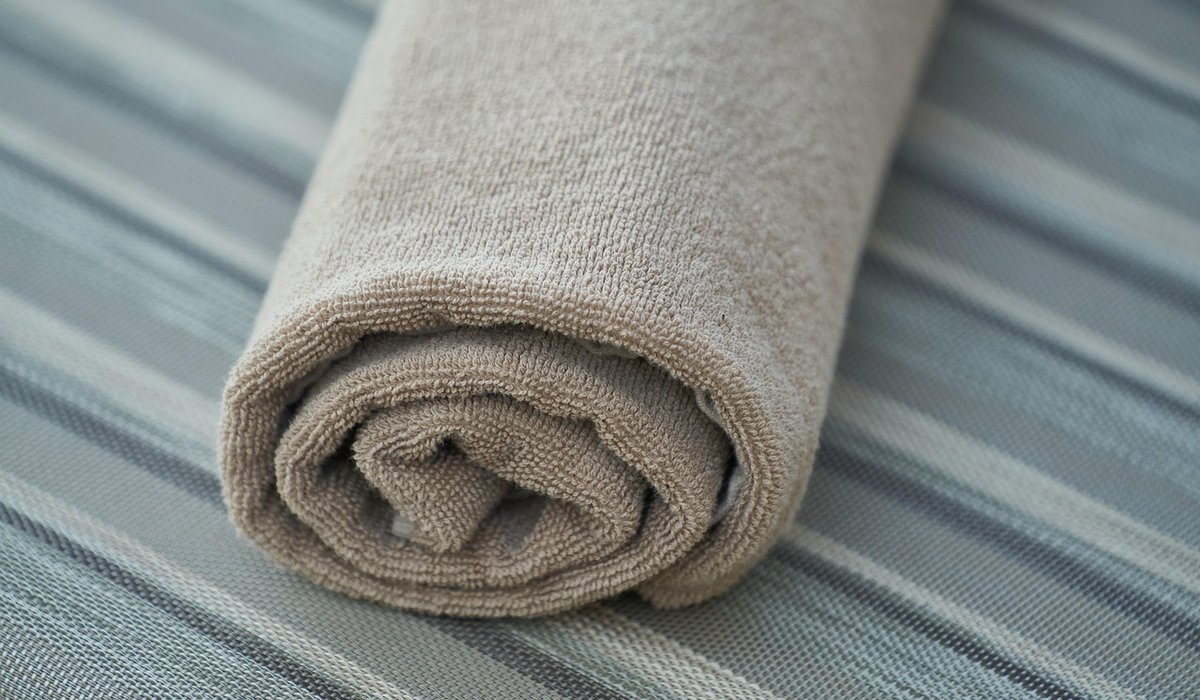
Spring Cleaning Checklist for a Fresher Home
Before You Begin: Plan Two Weeks, Not One Saturday
Spring cleaning has a reputation for being a single, exhausting weekend. It does not have to be. The trick is to treat it as a series of small, manageable jobs spread across a fortnight, so you finish each session feeling pleased rather than defeated.
Start by decluttering before you clean. There is little point scrubbing a shelf that is still crammed with things you no longer want. Work through one room at a time with three bags or boxes: keep, donate, and recycle or bin. Once the surfaces are clear, cleaning becomes far quicker.
- Book it in. Set aside two or three 30-minute slots each week rather than one long day.
- Work top to bottom. Dust and cobwebs fall, so ceilings, light fittings and picture rails come first, floors last.
- Gather your kit in a caddy. Carrying everything with you saves endless trips up and down the stairs.
- Open the windows. Ten minutes of fresh air does more for a room than most air fresheners.
Build a Green Cleaning Kit That Actually Works
Eco-friendly cleaning is not about scrubbing harder with weaker products. It is about using a handful of effective, inexpensive ingredients properly.
- White vinegar. Mix one part vinegar with one part water in a refillable spray bottle for glass, taps and chrome. Do not use it on natural stone or marble, as the acid will dull the surface.
- Bicarbonate of soda. Mix with a little water to make a paste for sinks, hobs, mugs and grout. It lifts stains gently and deodorises as it goes.
- Castile or eco washing-up liquid. A few drops in warm water handles most greasy surfaces.
- Citric acid. Dissolve a tablespoon in hot water to descale kettles and shower heads.
- Microfibre cloths. Colour-code them — one for bathroom, one for kitchen, one for glass — and wash them at 30°C. They clean well with water alone and replace mountains of disposable wipes.
Skip bleach-heavy sprays, aerosols and single-use wipes where you can. A well-wrung cloth and a good technique will out-perform them every time.
Room-by-Room: A Checklist You Can Follow
Rather than wandering from task to task, finish one room completely before moving on. Here is where to focus in each space.
- Bedroom: Vacuum the mattress, rotate it, and wash pillow protectors. Dust the headboard, bedside tables and lampshades. Clear under the bed and wipe the bed frame.
- Living room: Vacuum upholstery and under sofa cushions. Dust electronics with a dry microfibre cloth, not a wet one. Wipe remotes and light switches, which collect more grime than you would expect.
- Kitchen: Pull out the fridge and clean behind it. Defrost the freezer if needed. Degrease the extractor filter in hot soapy water, wipe inside cupboards, and run a bicarb paste around the sink and drain.
- Bathroom: Descale the shower head and taps with citric acid. Wash the shower curtain or liner, scrub grout with bicarbonate paste, and clean the extractor fan grille.
- Hallway and stairs: Wipe the banister, dust the skirting, and shake out the doormat. This is the dirtiest zone in most homes and the most often ignored.
Windows, Curtains and Blinds: Let the Light Back In
Clean windows transform a room, but timing matters. Choose an overcast day — strong sun dries the glass too quickly and leaves streaks.
Dust the frames and sills first, then wipe the glass with your vinegar solution and buff dry with a clean microfibre cloth or squeegee. Pay attention to the window tracks: run a vacuum brush attachment along them, then wipe with a damp cloth wrapped around a blunt knife or old credit card to reach the corners.
Curtains hold a surprising amount of dust. Check the care label before doing anything. Most cotton and polyester curtains can be washed at 30°C on a gentle cycle, then rehung slightly damp so they dry in place and drop neatly. Velvet, lined and delicate fabrics are better steamed or professionally cleaned. Vertical and venetian blinds respond well to a microfibre cloth or the brush attachment on your vacuum, working slat by slat with the blind closed, then reversed.
Skirting Boards, Doors and the Forgotten Corners
These are the details that make a home feel genuinely fresh rather than simply tidy. Work around each room, top to bottom, and you will catch everything.
- Skirting boards: Vacuum first to remove dust, then wipe with a cloth dampened in warm soapy water. Dry immediately to protect the paint.
- Doors and frames: Wipe both sides, including the top edge and the handles, which are prime spots for germs.
- Radiators: Use a long brush or a vacuum crevice tool between the fins.
- Light fittings and lampshades: Dust with a dry microfibre cloth. Switch off at the wall first.
- High and low spots: The tops of wardrobes, behind doors, under the fridge, the back of the airing cupboard, and the space behind the toilet.
As you go, keep a small bin bag with you for anything you decide to let go of. It is far easier to be decisive when the bag is right there.
Keeping It Fresh Without the Effort
A deep clean lasts far longer when you build a little maintenance into your routine. Give each room a ten-minute reset once a week: put things away, wipe the main surface, and plump the cushions. Keep a labelled basket for items that belong elsewhere and empty it at the end of the day.
Store your cleaning caddy in one place so it is never a chore to find it, and keep refillable bottles topped up. Once a month, choose one job from your spring list — the oven, the windows, the cupboard under the stairs — and tick it off. Done this way, your home stays fresher all year, and next spring will feel far less daunting.
tag: Seasonal Chores

Oliver Radcliffe Author
Check draughts, clean gutters, and store summer items properly to protect your home from cold, wet weather ahead.
YOU MAY ALSO LIKE
Preparing Your Home for Autumn and Winter
Jun 27
10Focus on fridge hygiene, outdoor furniture, and floor care during warmer months, keeping your home fresh despite open windows and extra guests.
read more
Summer Cleaning Tasks for Busy Households
Jun 25
10Learn a gentle method using bicarbonate of soda and water to lift baked-on grease, leaving your oven clean and free from strong fumes.
read moreCleaning Tips
-

ERRIC CATONA
Discover practical dusting techniques for shelves, skirting boards, and light fittings using microfibre cloths and a simple top-to-bottom routine.
May 19, 2016 at 5.12 pm
Reply
ERRIC CATONA
Act quickly with blotting and a mild cleaning solution to lift red wine from carpet fibres without spreading the stain further.
May 19, 2016 at 5.12 pm
Reply -
ERRIC CATONA
Explore plant-based cleaners and refill options that reduce chemical exposure while keeping kitchens, bathrooms, and living spaces genuinely clean.
May 19, 2016 at 5.12 pm
Reply
Eco Living
Your email address will not be published.